
Habiflex
Habiflex is a traditional real estate agency in Florianopolis, southern Brazil. Their focus is on sales of popular properties and summer rental properties. Habiflex is among the leading real estate agencies in the south island of Florianopolis.
When2019 @ As Freelancer
My roleProduct Designer
My
toolsSketchApp
Hotjar
Usertesting
Mailchimp
Business background
The real estate market in Florianopolis has grown
year after year, even in Brazilian crisis years, due to two very important factors: the first factor is the
high demand of summer travelers seeking their beautiful landscapes and more than 40 beaches. The second
factor is the expansion of the real estate market, with many new projects being launched that make 100% of
properties available in early access in the project. With this, they inject into the market money from
financing these properties.
In this scenario, Habiflex, which is a real estate company operating in the south of the island of
Florianópolis, connects people who want to sell or rent their properties with people who looking to rent or
buy a property, whether to live or to invest, in addition to all real estate brokerage services and
professional legal assistance.
Research
Since its launch, Habiflex has had several competitors in the region, all without exception, having
similar business models. Among these competitors, Habiflex is neither the largest nor the most popular,
but it has a dedicated team and uses a lean structure as a differential.
To start my research, I started looking at the services of real estate competitors such as website, user
flow, third-party tools used, keywords of pages, search funnel and filters, page code structure, and
ranking in the organic search of Google for the main keywords used.
I’m not going to go into detail on all of the above, because I want to stay focused on UX research only.
Here we have the competitors:

User goals
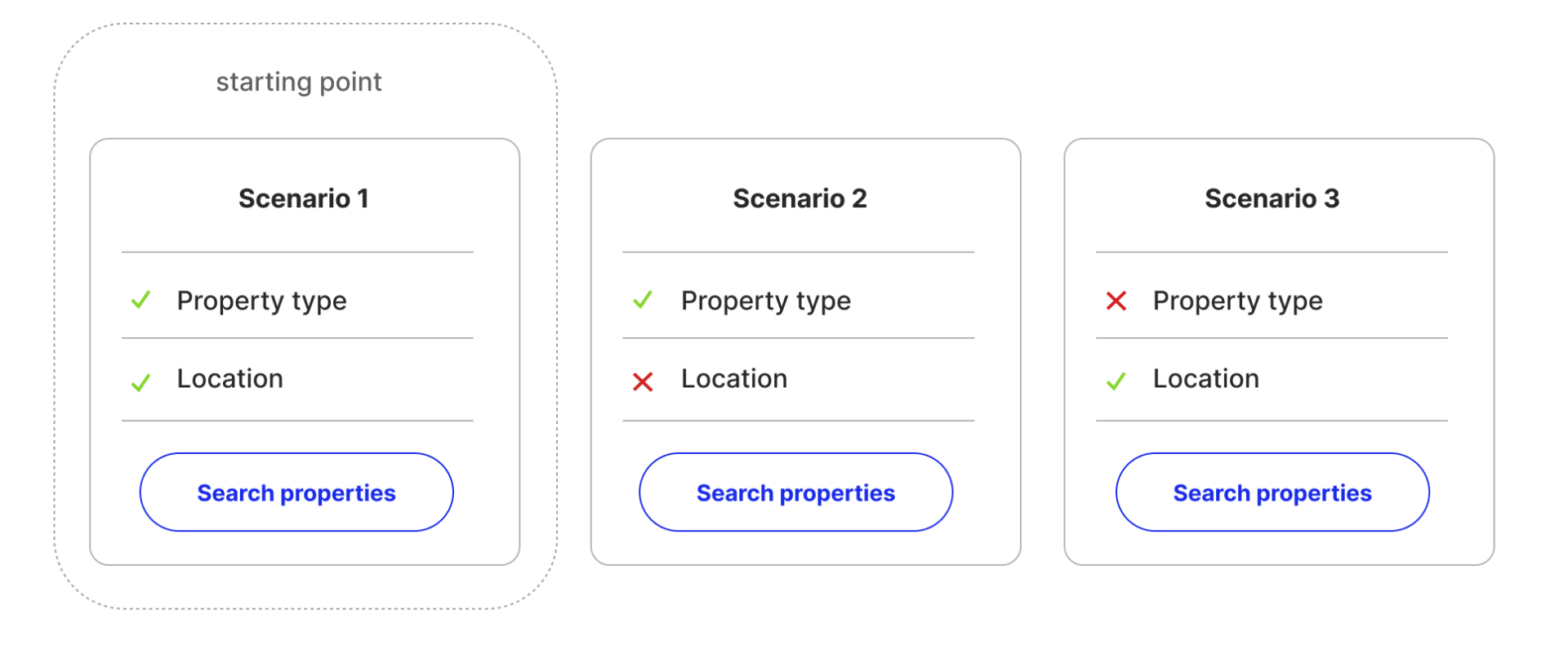
During my research, I identified several different scenario of use, but I grouped them into three groups:
- • Scenario 1: The user knows the type of property he wants and already knows which neighborhood he/she wants to live in (standard scenario);
- • Scenario 2: The user knows the type of property he/she wants but has not yet known which neighborhood to live in;
- • Scenario 3: The user has not yet decided on what type of property he/she wants but knows which neighborhood he wants to live in;
Source: Data taken from Google Analycis.
Personas
In my research, I found 5 types of people who are looking for properties, either to buy or to rent. These 5 types of people have different needs and goals. With this in mind, the idea is to chart the best flow of navigation and features for each profile. In this research, I excluded the investor profile, which I will work on individually because normally it fits the profile of the other 4 profiles or searches for projects
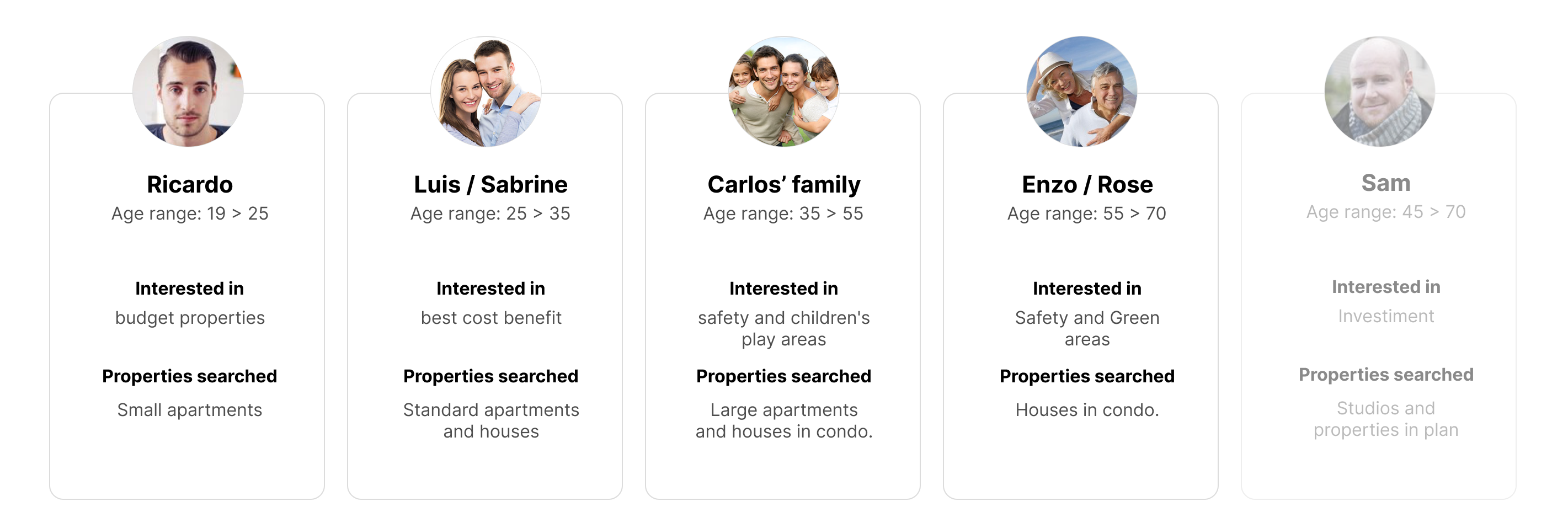
Source: Data taken from a survey of website users, in-store customer service and Mailchimp lead base (survey with 96 users)
Heatmap
I did three kinds of research with the users to identify their goals and pain when looking for a property. The first survey was conducted with a heatmap on the pages. The heatmap identifies which areas of the site the user views.
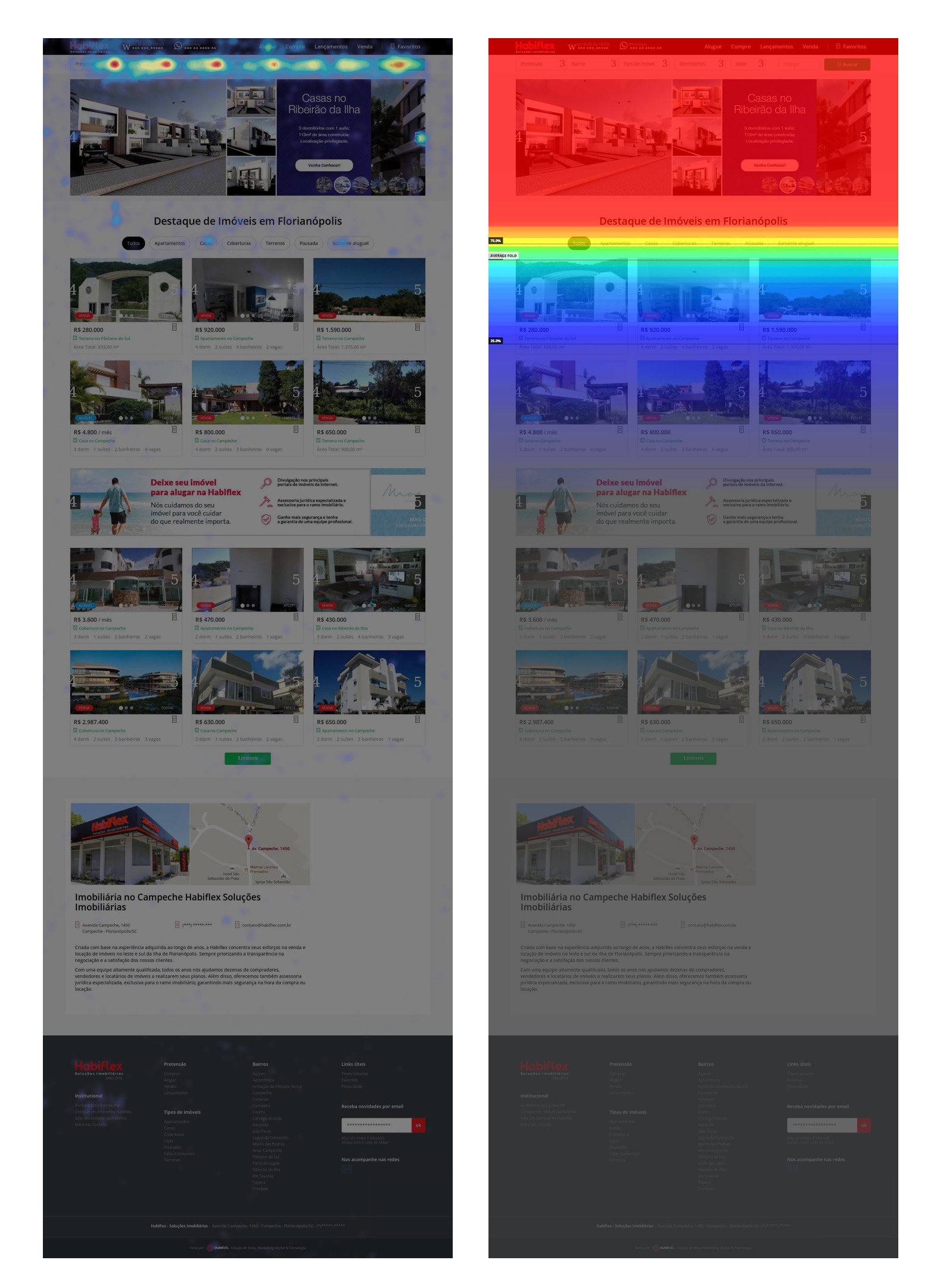
Source: Data taken from Hotjar.
In-page users survey
The second survey was conducted after users searched for a property or used the filters
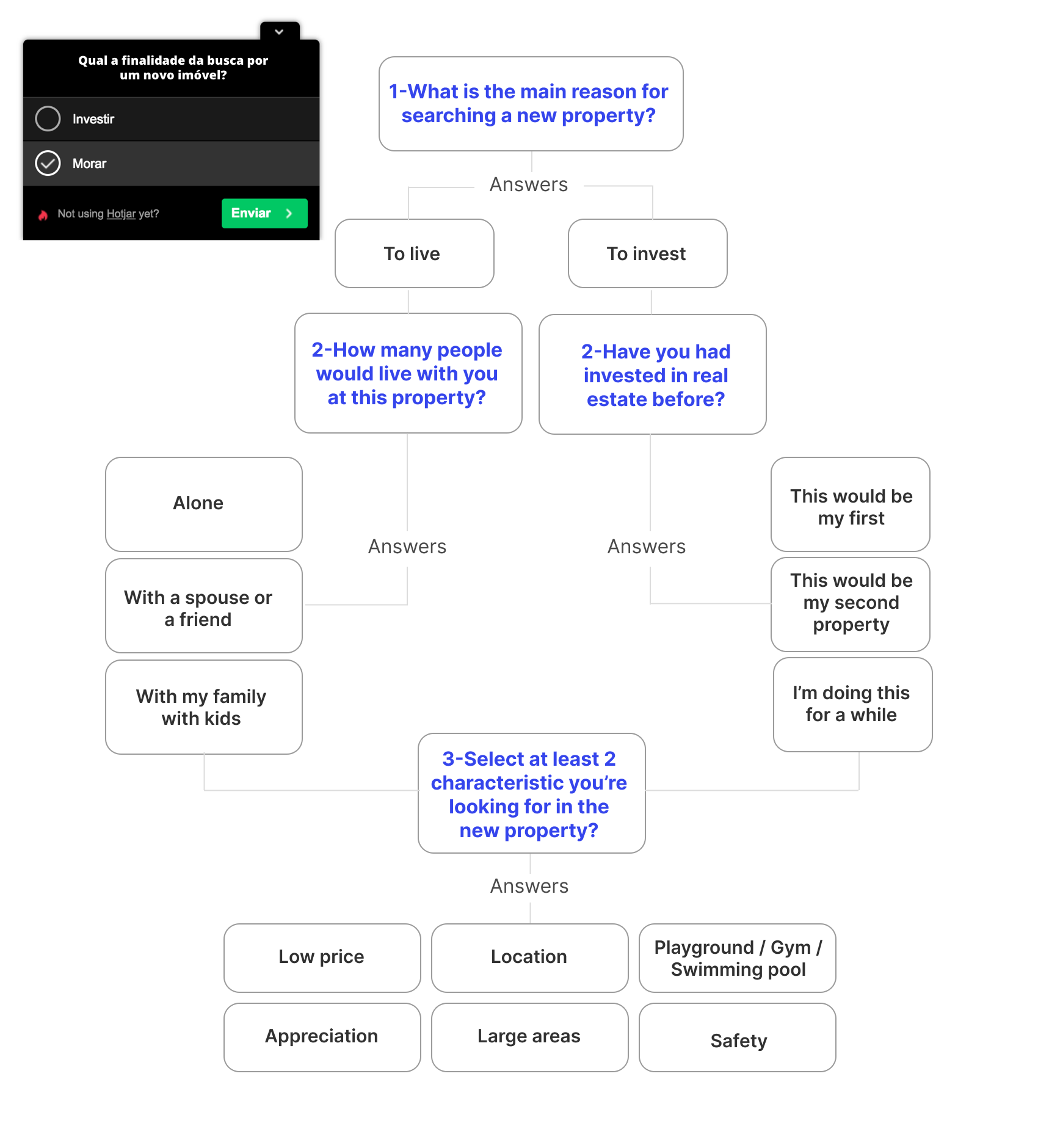
User satisfaction survey
The third was a satisfaction survey made via Mailchimp and Typeform with all users after 10 days that they
were interested in a property.
The search for satisfaction has many questions that are related to the service, such as the waiting time
between the contact in the site and the contact of the realtor, if everything went well in the service,
and a note to evaluate the service among other things, I go focus only on responses to the site.
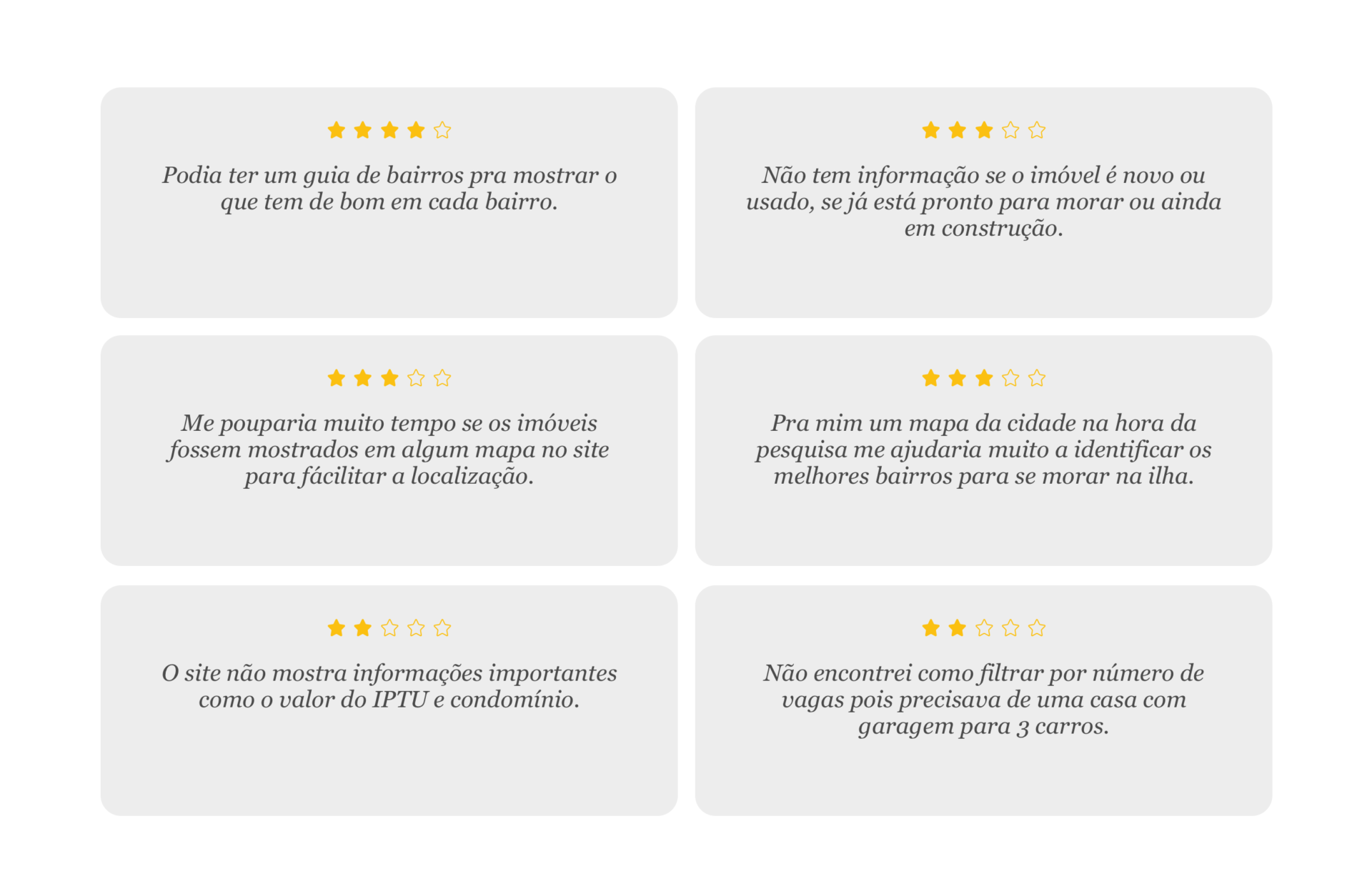
Most responses on the site can be classified into 2 groups: bugs and lack of functionality.
Research outcomes
After all the research, some points had to be worked out, among them:
• Hard to find the filters;
• Lack of property information;
• Lack of neighborhood information;
• Usability issue when browsing the property listing or preview the images.
High fidelity
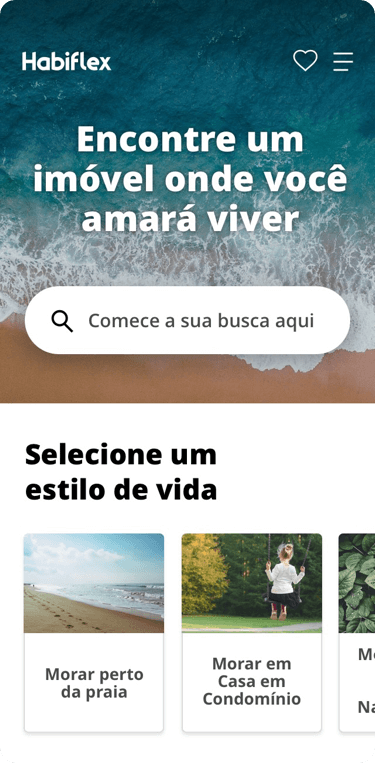
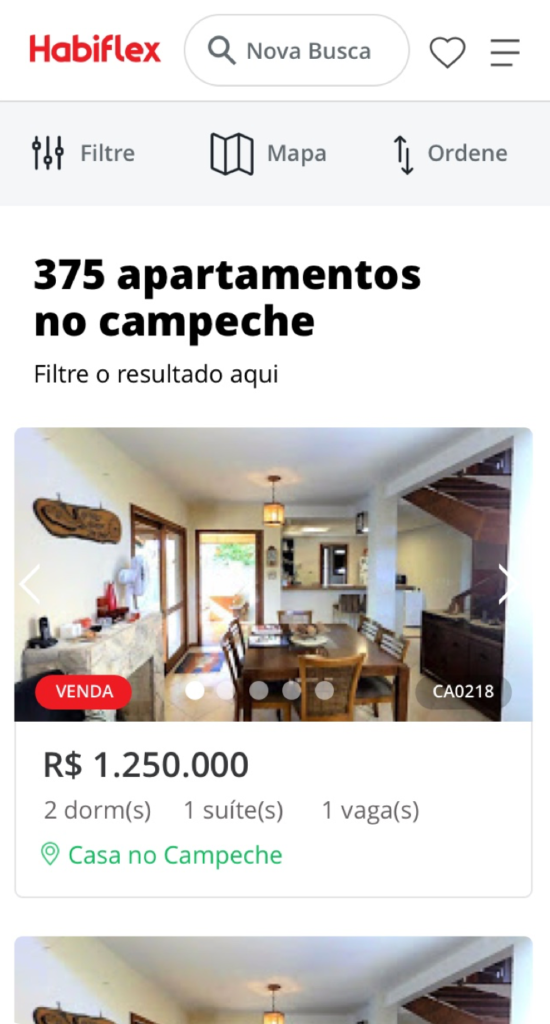
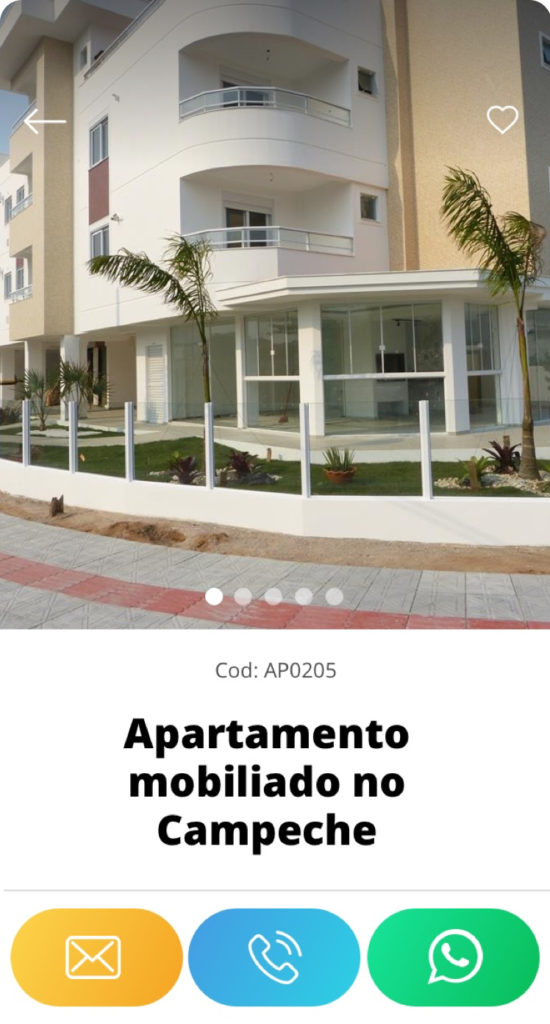
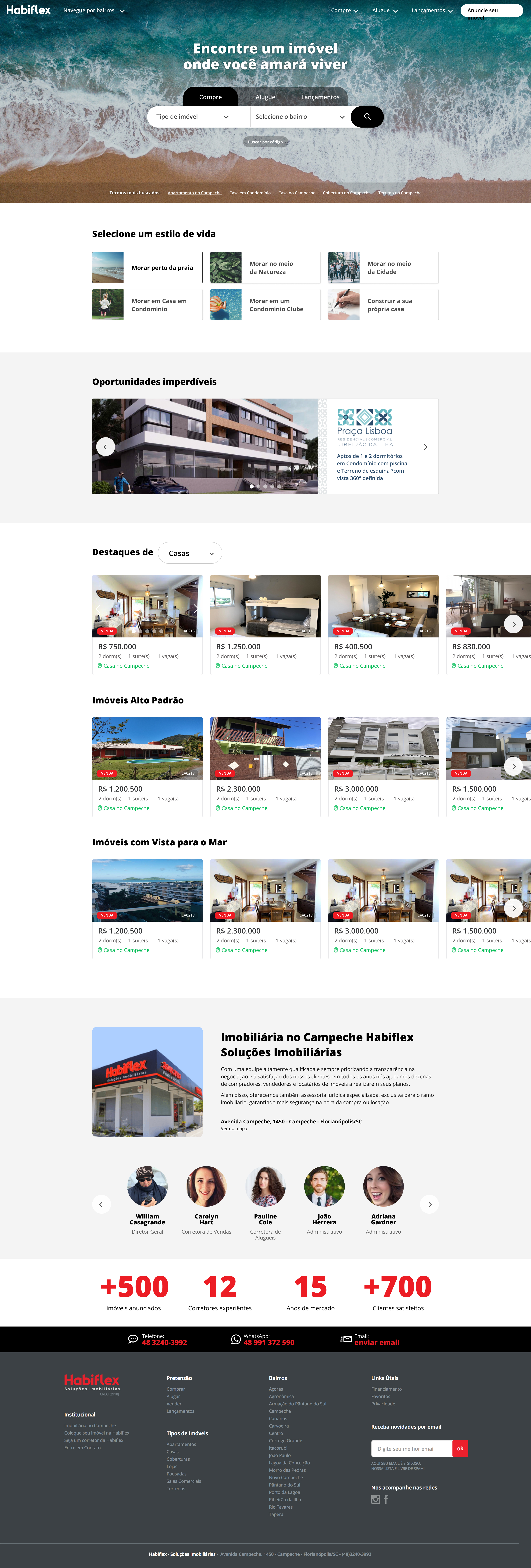
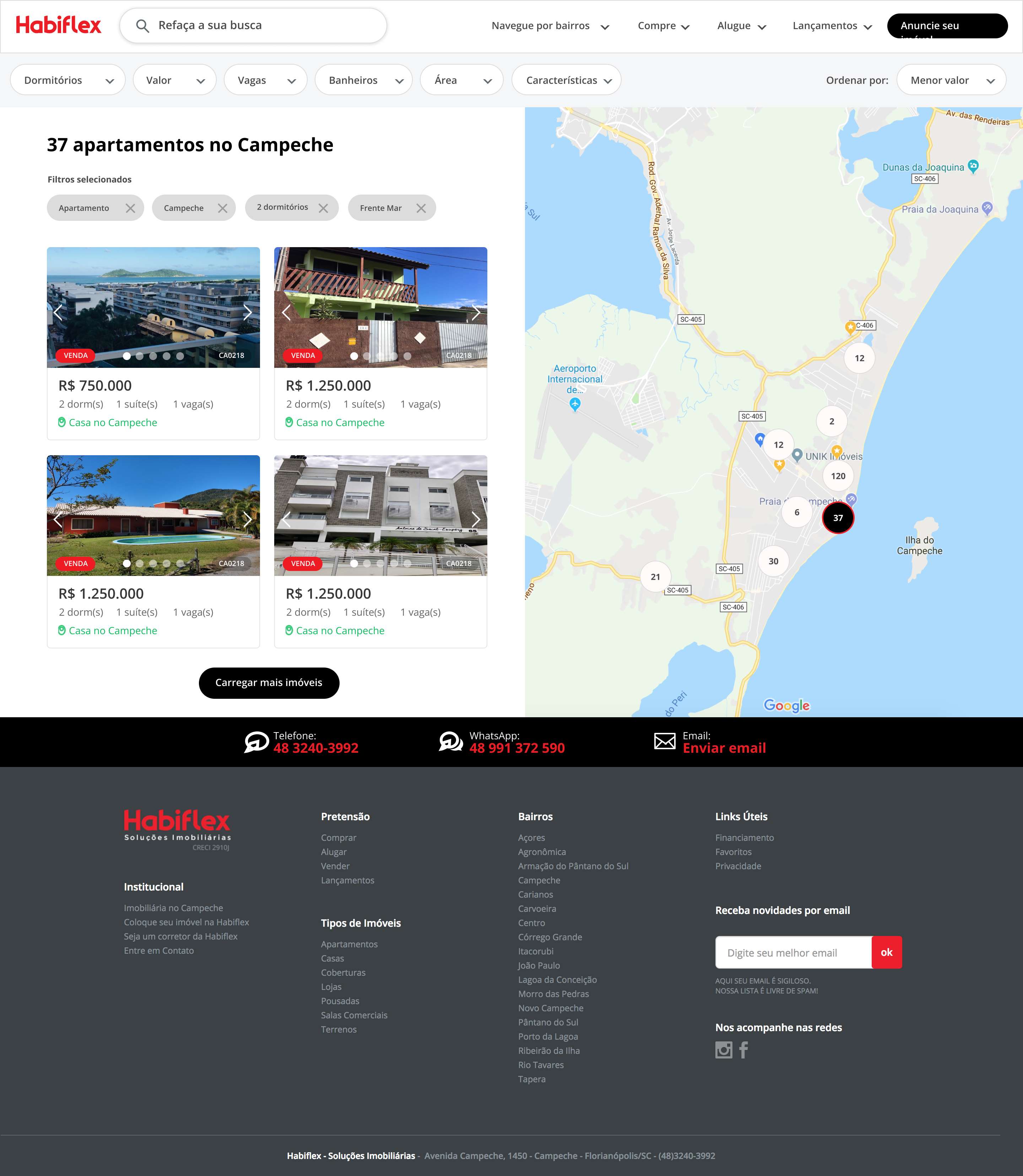
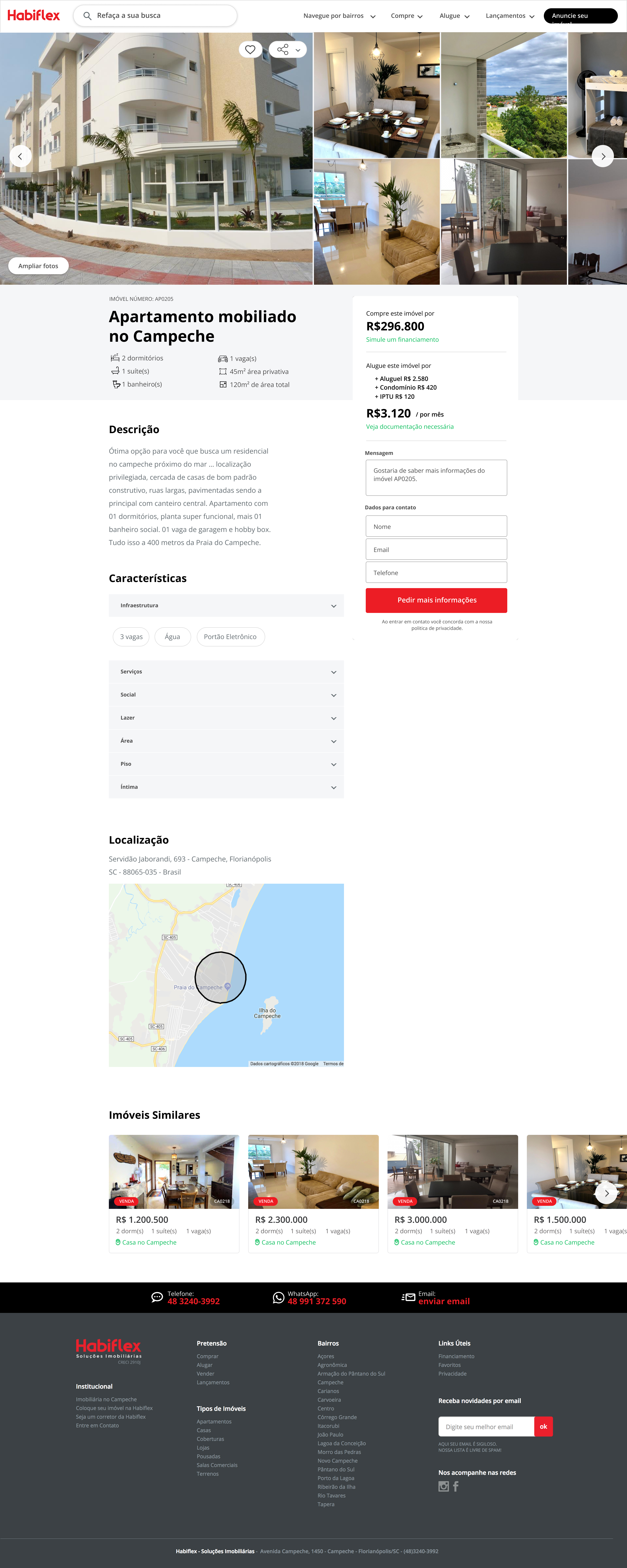
After analyzing the material from the research, we started a project for a new website with a redesign of the navigation flow. We used big real estate portals like Trulia and Zillow to initial point. From wireframe to final code, The Youline team and I developed a brand new website that has been followed by all competitors.
Results and metrics
I created, designed and developed a responsive website for WordPress by myselft as part of my learning
process. I hired an professional developers for the API integration
for the Property Management tool.
Based on the research I did before the new version went to production, the new version delivered an
increase search-to-result
rate in 37% and 22% increase in
property detail views per
user.